.png)


Attracting Butterflies to Your North Dorset Garden: What Actually Works on Chalk and Clay
North Dorset is one of the finest places in England for attracting butterflies to your garden — but only if you understand what they actually need. Dorset has recorded 45 of the UK's 59 butterfly species, and the chalk downland around Blandford Forum, Hod Hill and Cranborne Chase supports some of the most remarkable populations anywhere in the country. Attracting butterflies to your north Dorset garden is entirely achievable, whether you garden on chalk, on clay, or somewhere in between — but it takes more than planting buddleia and hoping for the best. This guide covers what genuinely works in this part of Dorset...

Know the butterflies in your north Dorset area
Before thinking about what to plant, it helps to know which butterflies you are likely to see. The chalk downland sites near Blandford support some genuinely special species. Hod Hill, just three miles north-west of Blandford Forum, is home to marbled whites, blues, small heath and clouded yellows, while Hambledon Hill records 28 species including the Adonis blue, dark green fritillary and green hairstreak. These species will not colonise a garden the way a red admiral or peacock will, but understanding what exists locally tells you which plants and conditions are worth creating. The marbled white shows a strong preference for purple flowers — wild marjoram, field scabious, knapweed and thistles — all plants that perform well in north Dorset gardens.
Structure is the key to attracting butterflies to your north Dorset garden
This is where most butterfly garden guides go wrong. They jump straight to a plant list without addressing the physical conditions that make a garden worth visiting. Butterflies are cold-blooded and entirely dependent on warmth to feed, fly and breed. A south-facing, sheltered garden in north Dorset attracts significantly more butterfly activity than an exposed or north-facing one, regardless of what is planted in it. Decking and pergola structures create warm, sheltered microclimates that extend the feeding season considerably.
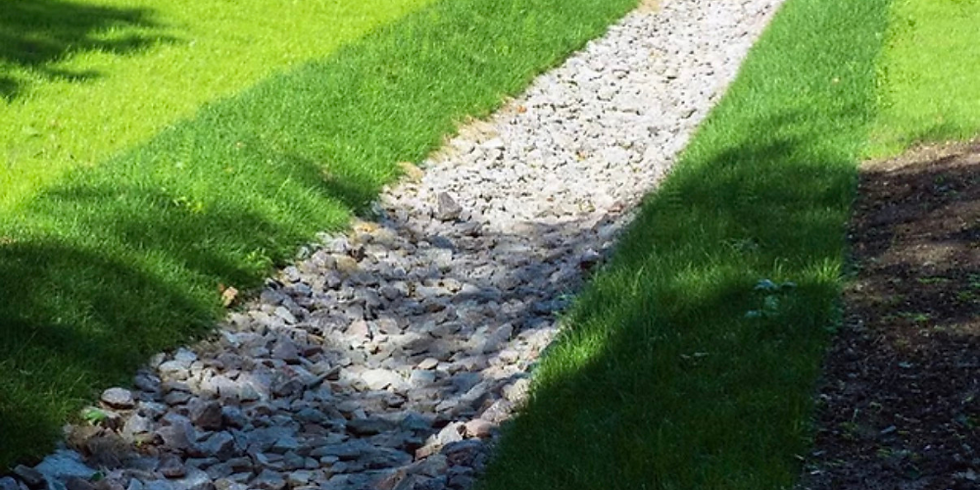
A south-facing deck with a pergola behind it traps heat in a way that open border planting simply cannot. Gravel paths and bare sunny surfaces act as basking spots, particularly in the morning when butterflies need to warm up before they can fly. A windbreak hedge on the north or west boundary makes the whole plot more attractive to butterflies. Native species — hawthorn, blackthorn, field maple, hazel — are the right choice for both ecology and the north Dorset landscape.
The right hedge — maintained the right way for north Dorset butterflies
A well-shaped, layered hedge does more for butterfly activity in a garden than almost any other single feature. It provides shelter from wind, a roosting resource, and if it includes flowering native species, it provides nectar and larval foodplants too. Blackthorn flowers early in the season before its leaves emerge and is a particularly valuable addition for early spring butterflies including brimstones and orange-tips. The timing of cutting matters significantly. A hedge cut hard every year to a formal box shape provides very little for wildlife. A hedge cut on a two or three year rotation, allowed to develop some depth and occasional flowering, is a completely different proposition. The legal nesting season exclusion runs from March to August, which means professional hedge cutting belongs in the autumn and winter window. Getting that work done correctly in September or October sets the hedge up well for the following season.
What to clear — and what to leave when attracting butterflies in north Dorset
One of the less obvious truths about attracting butterflies to a north Dorset garden is that overgrown, rank vegetation often works against them. Dense bramble mats and rank grass eliminate the warm, open conditions that many local species need. The short turf and bare ground of the chalk downland around Hod Hill — with its birdsfoot trefoil, common rockrose and horseshoe vetch — is precisely the kind of habitat that supports the highest butterfly numbers. Selective clearance of encroaching growth, done outside the nesting season, is a genuinely positive act for butterfly habitat. What you do not want to clear is a managed bramble edge strip, which provides nectar in late summer and overwintering cover, or any established native hedge.
Plants for chalk and clay — what actually works for north Dorset butterflies
Generic butterfly plant lists rarely account for soil type, which matters considerably in north Dorset where chalk and clay behave so differently. On free-draining chalk soils — in the downland villages around Cranborne Chase, Fontmell Magna and Iwerne Minster — the plants that do double duty as garden plants and butterfly resources include wild marjoram, wild thyme, field scabious, knapweed, bird's-foot trefoil and verbena bonariensis. These are all naturally at home on chalk and used by local butterfly species for nectar or larval foodplants.
On the heavier clay of the Blackmore Vale around Sturminster Newton and Child Okeford, knapweed performs reliably, as does teasel, red clover and sedum. Sedum flowers late, when most other nectar sources are exhausted, and is one of the best single plants for late-season butterfly activity on any soil type. A note on buddleia: it provides nectar and attracts red admirals and peacocks, but it is not native, provides no larval habitat, and self-seeds readily. Grow it alongside native plants rather than instead of them.
Hambledons offer hedge planting, hedge maintenance and garden clearance across north Dorset — from Blandford and Shillingstone to Fontmell Magna and Sixpenny Handley. Get a free quote and get your garden working for wildlife this spring.
Hambledons: Here to help
From our base in Shillingstone, Hambledons serves as North Dorset’s leading specialist in professional hedging and fencing, delivering high-quality outdoor solutions for both homes and businesses. Our expert team operates throughout the region, covering Blandford Forum, Sturminster Newton, and Shaftesbury, as well as Gillingham, Sherborne, Dorchester, and Wimborne Minster, and extending to surrounding areas like Wareham, Ferndown, and Verwood. Whether you require precision hedge maintenance or the installation of robust structural fencing, we are dedicated to enhancing the Dorset countryside—read our latest blog posts here to explore our recent work and expert seasonal tips.


Comments